A quieter Seoul comes alive after dark at Unhyeongung
At Unhyeongung, the Seoul palace where King Gojong married in 1866, a fall evening program pairs persimmon dessert-making with live gayageum music, part of the city's wider push to keep cultural sites open after dark.

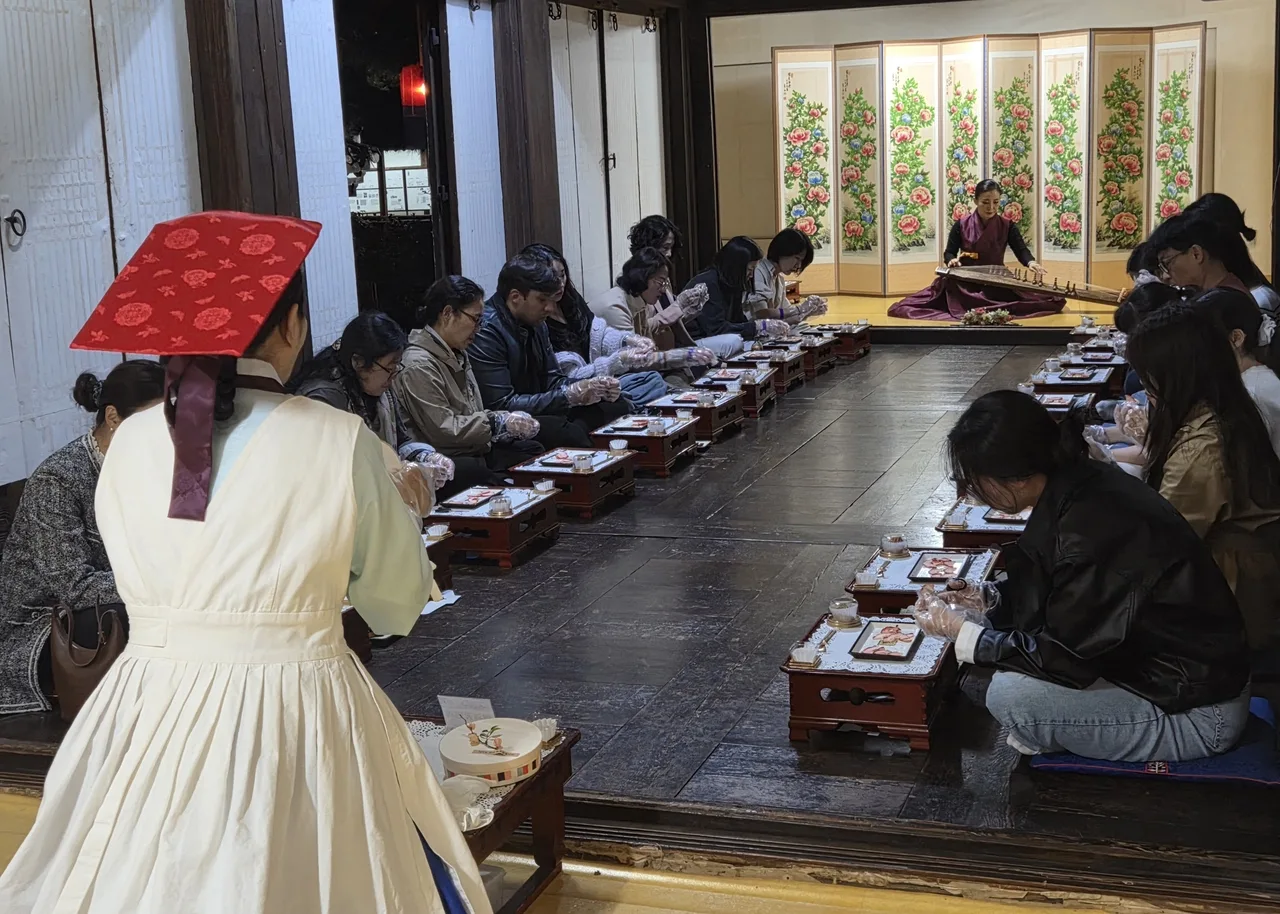
At Unhyeongung, the hanok compound in Jongno-gu where King Gojong married the woman who would become Empress Myeongseong in 1866, a seasonal program is trading sightseeing for sitting still. Through the fall, the former residence of Gojong's father, Heungseon Daewongun, has been opening its courtyards after the daytime tour groups thin out, for an evening of tea, dessert-making and live gayageum music, according to the Korea Herald.
The format is simple. Visitors sit on the wooden floors of the hanok, make a traditional Korean dessert by hand, sip tea and talk, while a gayageum player performs in the background. The dessert chosen for the program is gotgamdanji, a dried persimmon stuffed with sweet filling that is traditionally associated with good fortune. "Every taste tells a story," one of the program's organizers told the Korea Herald, describing the dessert-making as a way to slow visitors down instead of simply moving them through another palace stop.
Unhyeongung sits a short walk from Anguk Station on Seoul Subway Line 3, in the Insa-dong and Bukchon area of Jongno-gu. It is one of the smaller royal-era sites in central Seoul, overshadowed on most itineraries by Gyeongbokgung and Changdeokgung a few blocks away, which is part of what makes an evening program worth noting: it pulls foot traffic into a palace that otherwise closes early and empties out once the sun goes down.
That timing is not incidental. Seoul's city government has been pushing cultural facilities toward later hours as part of a broader nighttime economy plan that Mayor Oh Se-hoon unveiled on August 20, which calls for extending hours at municipal sites, in some cases to midnight, as part of an effort to generate an additional 5 trillion won in annual nighttime spending within five years, according to the Korea Times. Unhyeongung falls under the city's own cultural heritage administration, making it a natural test site for that kind of after-hours programming even though it predates the policy.
The Korea Herald's report did not list a fixed run-through date, admission price or booking link for the tea and dessert sessions, details that would normally sit with the ticket office at Unhyeongung itself or with the Seoul Metropolitan Government's tourism office, which administers the site. Travelers weighing a visit should check directly with Unhyeongung before planning an evening around the program, since seasonal cultural offerings at city-run heritage sites in Seoul tend to run on limited dates tied to weather and staffing rather than a fixed season-long calendar.
What is confirmed, and worth building a visit around regardless of the program's exact calendar, is the site itself: the modest hanok where a provincial family produced a king, and where a wedding in 1866 set off one of the more consequential marriages in modern Korean history. A gayageum performance and a hand-stuffed persimmon are a small way into that history, three sessions and a few stories at a time.
City and shopping editor
Covers the practical order of a Korea trip and what to bring home: airport buses and their stops, transit cards, luggage storage, and the K-beauty products worth carrying back, named by their official product names with what the label says.