Korean Theater Opens Its Doors to Tourists, With Discounts and AI Subtitles Through Nov. 30
A new campaign called "Korea in Motion" offers foreign visitors discounted tickets and backstage-style perks at Korean theaters through Nov. 30, with AI smart glasses translating dialogue shows into English, Japanese and Chinese.

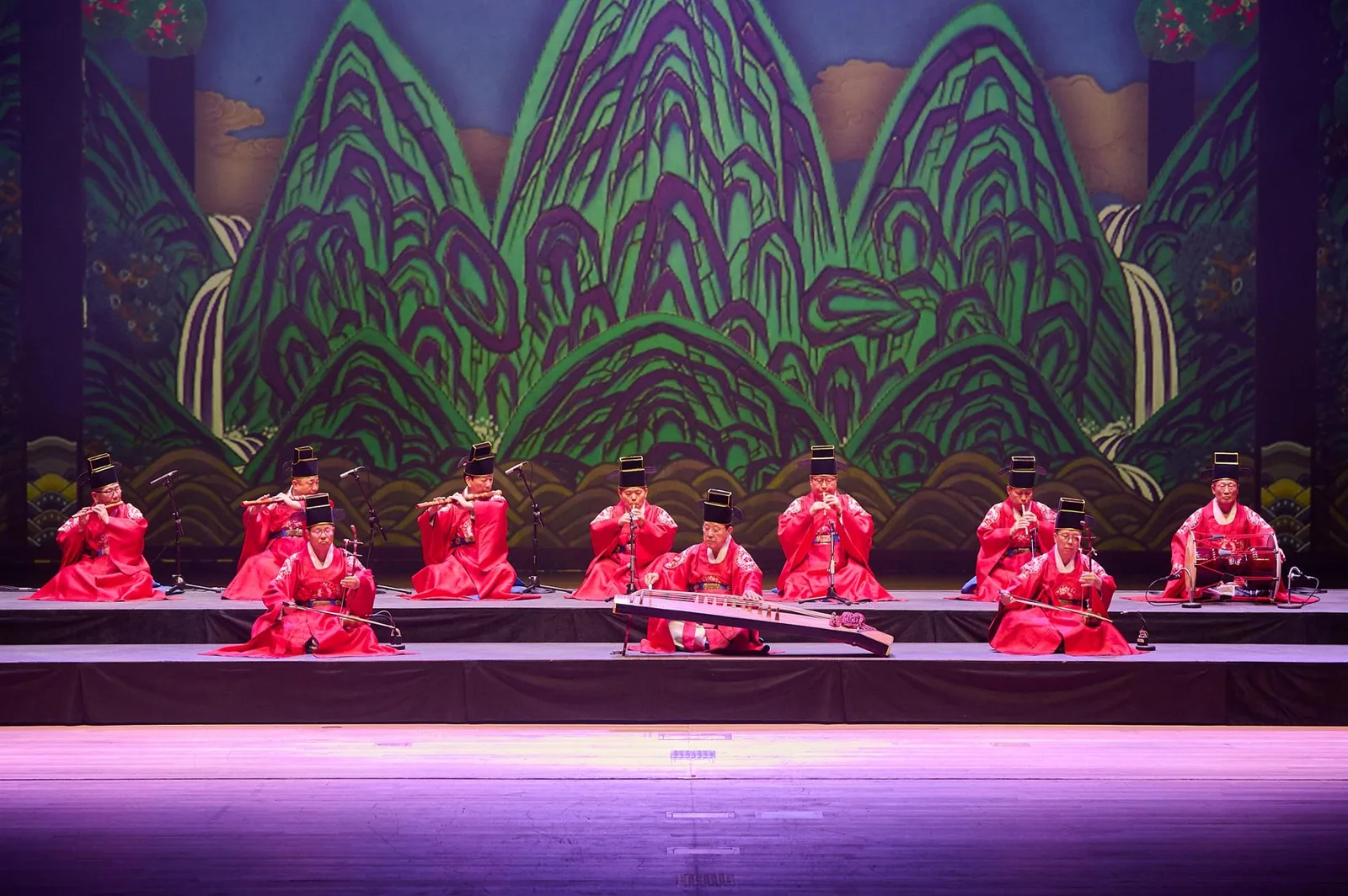
Travelers building a fall itinerary around Seoul's stages now have a reason to book ahead. The Korea Tourism Organization, the Ministry of Culture, Sports and Tourism and the Korea Performing Arts Tourism Association have launched "Korea in Motion," a joint campaign running through Nov. 30 that pairs discounted tickets with hands-on extras for visitors attending live performances, according to The Korea Times.
The lineup leans on nonverbal shows that have anchored Korea's tourist theater circuit for two decades, including "Nanta," "Jump," "The Painters" and "Bibap," all built to be followed without a word of Korean. For dialogue-driven productions, visitors can rent AI-powered smart glasses that display real-time subtitles directly on the lenses rather than on a side screen, with support for English, Japanese and simplified and traditional Chinese. The technology, branded "Smart Theater," was already running at Seoul venues before this campaign; shows such as "The Second Chance Convenience Store," "Inside Me" and "Finding Mr. Destiny" reportedly went from almost no non-Korean attendance to seeing foreign visitors nearly daily after adopting the glasses, per earlier Korea Times reporting.
What is new for this round is a set of experience programs tied to specific productions. Audiences for "Painters" can try a marbling-technique workshop; "Nanta" ticket holders get a souvenir-making session modeled on the show's kitchen props; "Jump" comes with a taekwondo session; and gugak performances end with a chance to play traditional Korean instruments alongside the cast. The agency is running the discounts through online travel agencies aimed at its largest inbound markets: China, Japan, Taiwan, the United States, Hong Kong and Singapore.
The push arrives as Korea's tourist theater sector is still climbing back from a steep drop tied to the 2017 THAAD dispute, when a Chinese outbound-tour ban cut Chinese arrivals by roughly 64% in a single month and cost the industry an estimated $7 billion in tourism revenue, according to Yicai Global. Nonverbal shows depended heavily on Chinese group tours and were hit especially hard. Overall foreign arrivals topped 2019 levels last year, but Chinese visitor volumes were still running at only about 75% of pre-pandemic figures as of late 2025, meaning the audience this campaign is courting has not fully returned.
"Korea in Motion" also rides alongside a much larger domestic effort. The culture ministry's "2026 Korea Is Performing" campaign, running the same Oct. 1 to Nov. 30 window, bundles roughly 1,700 performances nationwide through the Seoul Performing Arts Festival, PAMS and the RE:BOUND Festival with 16 regional cultural foundations, according to the Ministry of Culture, Sports and Tourism. That initiative followed an earlier domestic voucher program, "Autumn on Stage," a 4.1 billion won subsidy distributing 220,000 vouchers worth 10,000 won each through platforms including Naver Booking, YES24 and Ticketlink, with bonus vouchers for shows staged outside Seoul, Gyeonggi and Incheon, per The Korea Times. Those domestic vouchers exclude K-pop concerts and commercial pop-dance shows to keep funding focused on theater, classical and gugak productions, a restriction that does not appear to carry over to the tourist-facing campaign, which leans heavily on the same commercial nonverbal format the domestic program keeps at arm's length.
For now, travelers hoping to use the discounts should check listings directly through the participating online travel agencies or at individual venue box offices in Seoul, since specific per-show pricing and booking windows are being rolled out market by market rather than through a single centralized ticket page.
City and shopping editor
Covers the practical order of a Korea trip and what to bring home: airport buses and their stops, transit cards, luggage storage, and the K-beauty products worth carrying back, named by their official product names with what the label says.