Long Weekend Haus DDP: Seoul Deposits for Foreign Guests
Long Weekend Haus DDP's published rate, self-check-in kiosk, and 14-day cancellation window show what a guest booking Seoul accommodation should check for a credit card hold, a cash deposit, and a refund date before paying from abroad.

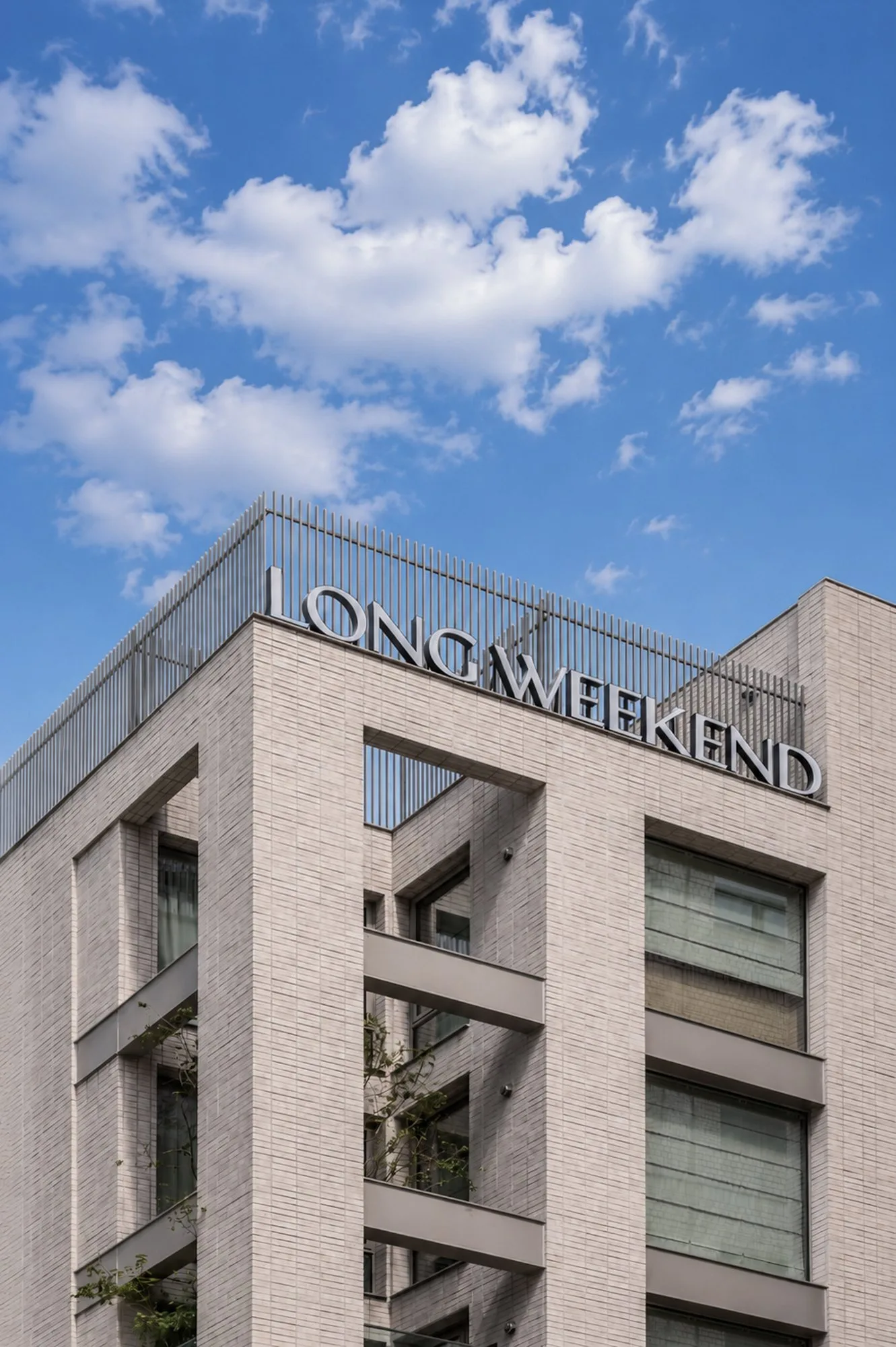
Long Weekend Haus DDP publishes its Terrace Premier Suite from US$273.48 a night, a rate checked on Stayfolio on 2026-10-14 that already includes tax and service charge, and that single fact answers the first worry most guests raise when booking Seoul accommodation from abroad: whether a separate deposit, a credit card hold, or a cash payment gets added once they arrive. For a guest booking from China, the checklist is the same no matter which hotel or platform is used: confirm the payment method the booking page processes, read whether a credit card hold or a cash deposit is collected at check-in, and note the cancellation deadline stated on that same page before paying. This article sets out Long Weekend Haus DDP's own published terms first, then compares four other Seoul hotels' documented, and undocumented, deposit practices against the same three questions.
Long Weekend Haus DDP
Long Weekend Haus (Long Weekend Haus) DDP, a 12-unit aparthotel six minutes' walk from Dongdaemun Design Plaza and Dongdaemun History & Culture Park Station in Seoul's Jung-gu, lists its Terrace Premier Suite (sleeps 2, max 4) from US$273.48 a night and its Penthouse (sleeps 4, max 8) from US$437.57 a night, both checked on Stayfolio on 2026-10-14, charges a flat KRW10,000 per person per night above each room's base occupancy, requires the lead guest to be at least 19, and allows free cancellation up to 14 days before check-in on its flexible rate.
Booking and payment run through the official site, Stayfolio, Trip.com, Travelocity and newt.net. Guests don't pay by phone call or on-site transaction, and check-in is self-service: guests use a kiosk after receiving arrival instructions by email ahead of the stay. There is no staffed front desk in that documented flow, so no counter exists where a clerk takes a card imprint or collects cash before handing over a key. If you are flying into Seoul on a late arrival from China and worried about finding a closed front desk, the kiosk model removes that specific concern: the property doesn't depend on staff being present to let you in.
The published rate already covers tax and service charge, so the figure quoted at booking is the figure due, with the extra-guest charge for parties above a room's base occupancy as the one documented addition. A guest who pays online in advance, through a platform that already processes the full amount, settles payment before any on-site decision about holding funds or collecting cash security could happen. The cancellation deadline already stated above gives a concrete date to work from if plans change. It isn't a brand-wide policy the guest has to track down separately.
Every unit in the building lists its own kitchen, from the compact Garden Suite up to the multi-bedroom Penthouse, so a longer stay can run on groceries from a nearby market instead of restaurant meals every night. Wi-Fi is complimentary throughout, every room is smoke-free, and pets aren't permitted, policies stated on the same official page as the room table and the cancellation terms.
Two couples wanting separate bedrooms, or a larger family booking the Penthouse, follow the same booking mechanics: pay online, receive the kiosk code by email, and check in without a staffed desk. Set beside a hotel that discloses a credit-card deposit term tied to the room rate, an aparthotel running on prepaid online booking and self-check-in leaves fewer questions to resolve in person at a Seoul front desk, which is the answer a guest comparing payment methods before a China-to-Seoul trip is looking for.
- Address: 15-3 Ssangnim-dong, Jung District, Seoul, South Korea · Google Maps
What Four Other Seoul Hotels Publish About Deposits
Four other Seoul hotels appear in the comparison table below for the same three questions. Lotte Hotel Seoul's global brand terms describe a credit-card deposit tied to the total room rate, with the percentage subject to change by individual hotel, and no Seoul-specific page sets a fixed figure. Shilla Stay Gwanghwamun's official pages publish no deposit type or amount; its Booking.com listing instead notes that a credit card and identification are required at check-in. Four Seasons Hotel Seoul's site states no deposit figure. The credit-card-or-cash deposit amount cited for the property comes only from a third-party aggregator, Traveleon, not from fourseasons.com itself. Novotel Ambassador Seoul Dongdaemun Hotels & Residences publishes no deposit type or amount on its operator room page. One inspected Booking.com rate for the property was marked for payment on-site. That rate required no prepayment.
The deposit type, deposit amount, accepted payment methods, and any guest-identity rule documented for each of the five properties, including Long Weekend Haus DDP, are set out in the table.
How to Confirm an Official Hotel Booking Payment Method
An official hotel booking channel is the page that processes the payment and states its own terms, whether that is the hotel's site, Booking.com, Agoda, Airbnb, or Trip.com, the international arm of Ctrip. Each of those platforms writes its own cancellation and payment rules into the listing, separate from whatever the hotel states on its domain. The terms that apply to a given booking are whichever page was used to pay. A general brand policy stated elsewhere doesn't automatically apply.
A property's domain and its listings on third-party platforms can diverge. Lotte Hotel Seoul's global terms document states a brand-wide deposit rule while leaving the exact percentage to each hotel, and no Seoul-specific page on lottehotel.com confirms a number; a guest comparing that global document against what a booking platform shows for a specific date is checking two different documents. The same split shows up with Four Seasons Hotel Seoul: the deposit figure in circulation comes from travel-booking aggregators, not from fourseasons.com, so a number on a search result page isn't the same as a number stated by the hotel.
Airbnb listings in Korea show a security deposit charged by the host, not the platform, a different mechanic from a hotel's front-desk hold; checking the specific listing type, not just the city, is part of the same pre-booking check.
For a guest paying from China, a card issued outside Korea sometimes fails a Korean merchant's authorization check regardless of what the posted policy says, so confirming which card networks a property accepts, and whether a Korean-won or a foreign-currency charge applies, belongs on the same pre-booking check as the deposit question itself. South Korea's Korea Consumer Agency handles general consumer complaints, including travel and lodging disputes, as a resource separate from whatever dispute process the booking platform itself offers.
Credit Card Holds and Cash Deposits at Check-in
A credit card hold is an authorization placed on a card at check-in, separate from the room charge, meant to cover incidentals such as the minibar or a damage claim. It is released if nothing is used, and charged only if there is a claim against it. A cash deposit serves the same purpose. It is paid and refunded in bank notes instead of a card network charge. Both exist to cover charges that haven't happened yet. The room rate itself is billed separately.
Among the hotels compared on this page, the documented deposit language varies by what each one discloses, not by brand size: a global hotel chain can publish a deposit rule at the group level while leaving a Seoul-specific figure unconfirmed, and a boutique aparthotel can run entirely on prepaid online booking with no staffed point at which a hold or a cash deposit would be taken. Reading the specific property's cancellation and payment page, rather than assuming hotels in a given price band handle deposits the same way, is the way to know which applies to a given booking.
Where a credit card hold is disclosed, it is usually tied to the card used to pay for the room in the first place. That overlap makes the payment-method question and the deposit question effectively the same question, asked twice. Where no deposit language exists on a property's page, as with several of the Seoul properties compared here, a guest from China or from anywhere outside Korea has no official figure to plan around. If that number matters to your trip's budget, ask the property directly before you travel.
Cancellation and Refund Terms to Check Before Paying
A cancellation and refund policy is only as good as the specific date attached to it. 'Free cancellation' without a cutoff date isn't a usable term. A rate marked non-refundable at the time of booking stays non-refundable, regardless of a general brand policy stated elsewhere. The date is the fact worth copying down at the time of booking.
The hotels compared here show how much that date can vary by page, not by property. One package-level rate on a Seoul hotel's offer page was marked non-refundable with payment due at check-in, a narrower term than the brand's general cancellation language found elsewhere on the same domain. Another property's promotional pages set one cutoff before arrival, with a penalty after that; a separate notice from the same brand's Seoul property named a different cutoff, and the two pages don't resolve the gap between themselves. A guest relying on either term should keep a copy of the specific page shown at the time of booking, since the terms on a brand's general pages can differ from the specific rate purchased.
Long Weekend Haus DDP's flexible rate states its cancellation deadline in the same place the booking is made, on the official site and on the Stayfolio and Trip.com listings. It doesn't split the rule across a group terms page and a separate property notice. For a guest booking from China and weighing a refund question against flight and visa plans, having the deadline on the same page as the price removes a step: screenshotting that single page covers the booking, with nothing else to reconcile afterward.
Jordan Lee, 2026-11-03
| Nightly Rate | Deposit Type | Deposit Amount | Accepted Payment Methods | Refund Policy |
|---|---|---|---|---|
| Property | Deposit type documented | Deposit amount documented | Payment methods documented | Guest-identity rule documented |
| Long Weekend Haus DDP | Self-check-in via kiosk; no staffed front desk in the booking flow | Official site, Stayfolio, Trip.com, Travelocity, newt.net | Lead guest must be at least 19 | |
| Lotte Hotel Seoul | Credit-card deposit per global brand terms | 10% of total room rate for the stay (global term, may vary by hotel) | ||
| Shilla Stay Gwanghwamun | Not published on official pages; Booking.com listing notes a credit card and ID required at check-in | |||
| Four Seasons Hotel Seoul | Not confirmed on fourseasons.com; cited as a card or cash deposit by third-party aggregators | KRW 200,000 per night (third-party aggregator figure, not on fourseasons.com) | Visa, Mastercard, Amex, Diners Club, JCB, cash (OTA listings) | |
| Novotel Ambassador Seoul Dongdaemun | Not published on operator or Accor pages | Pay at property; no prepayment required for one inspected Booking.com rate |
Sources: Travelocity, Long Weekend Haus DDP hotel information page; Trip.com listing for Long Weekend Haus DDP; Shilla Stay Gwanghwamun package offer page; Four Seasons Best Rate Guarantee terms.
Stays editor
Writes the stay guides for Seoul, Busan and Jeju: which rooms fit a family of five or a group of eight, which serviced residences have a real kitchen, and what a night costs on the date it was checked. Prices and terms are taken from the property's own page and the booking platform on the same day.