Self Check-In Airbnb Seoul: Passport and Check-In Steps to Confirm
Long Weekend Haus DDP runs check-in through its own kiosk, not a host-set code, which settles the main question a self check-in Airbnb Seoul booking raises about identity documents and arrival steps.

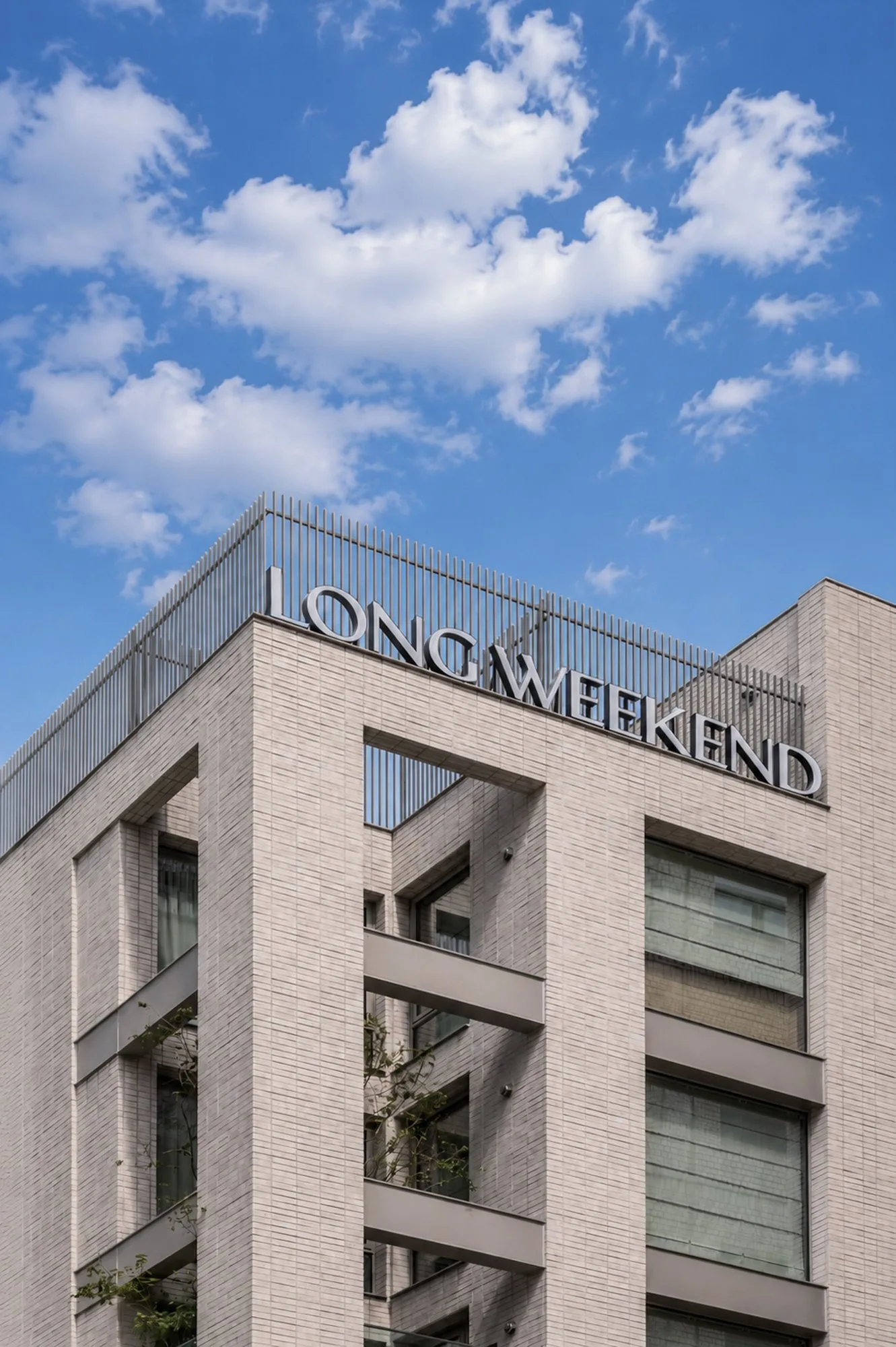
Long Weekend Haus DDP, an apartment hotel in Seoul's Jung-gu, lists rooms from US$273.48 a night for the Terrace Premier Suite 502 (Stayfolio rate, checked 2026-10-14) and runs its arrival process through a self check-in kiosk rather than a host-set keypad code. Before you book a self check-in Airbnb Seoul listing, or any similar self check-in stay in the city, the detail to settle first is what the check-in mechanism actually is: a kiosk the property operates itself, a keypad or lockbox the host sets up, or an app-based code tied to the booking. That single fact decides what identity document, if any, gets checked, and by whom.
A kiosk run by the property, like the one at Long Weekend Haus DDP, keeps the check-in process inside one system with one set of arrival instructions emailed ahead of the stay. A host-set keypad, lockbox or smart lock puts the handoff on the individual host, who shares a code and, separately, decides on his or her own whether to ask for a passport match by message. Neither Korean law nor Airbnb's own help documentation ties a specific lock type to a passport check, so the identity document a guest is asked for before a self check-in stay comes from how that particular host or property has set up the handoff, not from the hardware itself.
Long Weekend Haus DDP
Long Weekend Haus DDP operates 12 units across seven room types in Jung-gu, Seoul, from the Garden Suite 101, which sleeps two with one bedroom and one bathroom at 36 square metres, up to the Penthouse 702, which sleeps up to eight across three bedrooms and two bathrooms at 69 square metres (longweekendhaus.com room table, checked 2026-09-19). Every unit lists a kitchen, so a stay that runs past a few nights doesn't depend on eating out for every meal.
Check-in and check-out run on fixed hours, 15:00 and 11:00, and the mechanism behind them is a self check-in kiosk. The property has no staffed desk (longweekendhaus.com, checked 2026-09-19; Travelocity hotel-information page, checked 2026-10-14). Travelocity's listing states directly that there is no front desk and that arrival instructions go out by email before the stay, so a guest confirming check-in requirements before booking knows in advance that the kiosk, not a person, is what they meet at the door. The property's age policy sets the lead guest at 19 or older. That is a booking-stage condition, not a document check at arrival.
If you're arriving after midnight on a long-haul flight, the kiosk and the pre-sent email instructions mean you don't need to time your arrival to a staffed desk's hours, and you don't need to arrange a separate key handoff with a host the way a keypad or lockbox system requires. Every room includes free Wi-Fi, and the flexible rate cancels at no charge up to 14 days before check-in (longweekendhaus.com, checked 2026-09-19); stays of three nights or longer carry a 10% rate reduction as an official booking term on the same page. For anyone confirming identity documents and check-in steps before booking a self check-in Airbnb in Seoul, the Maru Suite (202/302/402) is the option here: it sleeps three as standard and up to six, with two bedrooms and one bathroom across 44 square metres. Two couples who want separate bedrooms book it when they want check-in to run through the property's own kiosk, not through a host-issued passport check or keypad code. For a group of four to eight that wants two bathrooms under one roof, the Penthouse 702 is the unit built for that party shape. Long Weekend Haus takes direct bookings on its own site, and the same room table and rates are listed on Stayfolio and on Travelocity.
For anyone confirming identity documents and check-in steps before booking a self check-in stay in Seoul, that's the deciding fact here: the kiosk belongs to the property itself, instructions arrive by email before arrival, and there's no separate host-issued code to track down or a passport photo to send a stranger over chat.
Other access methods hosts use for self check-in in Seoul
Self check-in listings on Airbnb and similar Seoul platforms use one of three hardware categories to hand over a key or a code, and each comes with its own access method, not a passport check. Samsung's SHP-DP960, found through a single overseas reseller listing (eBay.de, "Samsung Zigbang SHP-DP960 Plus," checked 2026-10-25), is a push-pull digital lock with fingerprint, PIN, Wi-Fi app and key-fob access; no official Samsung or Zigbang spec page for this exact model turned up in that search, so its dimensions and certified specifications sit outside what's published. Igloohome's Smart Keybox 3 is a self-install Bluetooth and PIN key lockbox priced at US$169.99 on reach.dog (checked 2026-10-25), with a calendar sync that generates a new PIN for each Airbnb booking window; it's explicitly not a door lock, and its remote PIN generation over the internet needs a separate Bridge accessory not included in the base unit. LOQED's Touch Smart Lock unlocks by touch, Bluetooth or a PIN code of up to 250 codes and is priced from EUR 179 at Coolblue.de (checked 2026-10-25); it retrofits onto a European-profile cylinder between 30 and 65 millimetres and ships with no manual key override, so it doesn't fit British, Scandinavian or Swiss cylinder formats at all.
None of these three locks includes an identity-verification function: each one checks a PIN, a fingerprint or a Bluetooth signal, not a passport or a government ID. Airbnb's own help page on connecting a smart lock states that its auto-generated, time-expiring guest code feature only covers a specific compatible-lock list and only in the US and Canada, so a host using any of the three locks above outside that programme sets and rotates guest codes by hand between bookings (Airbnb, checked 2026-10-25).
What counts as identity verification at a self check-in stay
Three different parties can ask for identification around a self check-in Airbnb booking in Seoul, and they ask at different points in the process. A booking platform can verify a guest's identity against a government ID at the account level, before any listing is even booked; a host can ask, by message, for a passport photo or a name match before sharing a code; and a property that runs its own kiosk, like Long Weekend Haus DDP, can build an identity step into the arrival flow itself. It doesn't leave that step to a chat message. None of the three is the same as the others, so a guest confirming check-in requirements before booking needs to know which one, if any, actually applies to the listing in question.
None of the lock-brand pages checked for this piece, Samsung, Igloohome or LOQED, describe an identity-verification feature; each is a PIN, fingerprint or Bluetooth product, and whatever passport request a guest encounters when a host uses one of these locks comes from the host's own messages, not from the hardware. That's worth confirming directly with the host before booking, since a keypad or lockbox code tells a guest nothing about whether the host also expects to see a passport before or at arrival.
Check-in steps to confirm with the host before you book
A short list of questions, asked before you book, covers most of what goes wrong with a self check-in stay in Seoul.
- Ask how the code or key gets issued: by message, by an app link, by a lockbox, or by a kiosk at the property, and when it arrives relative to your stated check-in time.
- Ask directly whether the host or the booking platform requests a passport photo, a name match, or any other ID before or at check-in, since none of the lock hardware itself makes that decision.
- Confirm who to contact, and through which channel, if the kiosk, keypad or lockbox doesn't work on arrival.
- Confirm the stated check-in and check-out times and whether arriving outside those hours changes anything about the access method or adds a fee.
- Confirm the cancellation terms attached to the rate being booked, since a flexible rate and a non-refundable rate can carry different deadlines for the same room.
South Korea's e-Arrival card is a separate document from all of this: it's a pre-arrival entry formality for the country itself, not a lodging check-in step. You confirm it through Korea's own entry channels, not through an Airbnb host or a property's kiosk.
Reported by Jordan Pae, 2026-10-25.
| Brand | Access Method | ID/Passport Verification Required | Price | Installation Type |
|---|---|---|---|---|
| Long Weekend Haus | Self check-in kiosk; arrival instructions emailed before stay | Lead guest must be 19 or older; no front desk to check ID in person | From US$273.48/night, Terrace Premier Suite 502 (2026-10-14) | Unstaffed property, kiosk on site |
| Samsung SHP-DP960 | Fingerprint, PIN, Wi-Fi app, key fob (single reseller listing) | No ID/passport check; fingerprint and PIN lock only | Push-pull digital door lock; no official Samsung spec page located | |
| Igloohome Smart Keybox 3 | PIN code (permanent, one-time, recurring) and Bluetooth via app; Airbnb calendar sync | No ID/passport check; PIN and Bluetooth lockbox only | US$169.99 (2026-10-25, reach.dog) | Self-install key lockbox, wall or railing mount; not a door lock |
| LOQED Touch Smart Lock | Touch/Bluetooth proximity, PIN code up to 250 codes, app, push button | No ID/passport check; PIN and Bluetooth lock only | EUR 179 (2026-10-25, Coolblue.de) | Retrofit Euro-profile cylinder, 30 to 65mm; no manual key override |
Stays editor
Writes the stay guides for Seoul, Busan and Jeju: which rooms fit a family of five or a group of eight, which serviced residences have a real kitchen, and what a night costs on the date it was checked. Prices and terms are taken from the property's own page and the booking platform on the same day.